History
Croatia has a rich and varied history, influenced by the Illyrians, the Romans, the Venetians, the Ottomans, the Habsburg Empire and others. Check out this website for a good overview if you want to get some backgroud before your trip. Croatia's shape, geography and history mean that its regions differ from each other quite in bit in terms of architecture, customs, dialect and cuisine. Here's a look at the history of Dalmatia, the coastal region that is home to Split. Also, check out this video for a few interesting aspects of Croatian culture, in Dalamatia as well as in the rest of the country.
Cuisine
Croatian cuisine is as varied as its history, ranging from dishes harking from eastern Europe, Austria or Italy. In Dalmatia, many dishes which is somewhat similar to what you may find in some regions of Italy, rife wish fish and seafood, fragrant soups, pasta, fresh Mediterranean vegetables such as aubergines and zucchini, citrus fruits, olive oil, garlic and wine. Every meal is accompanied by bread. Good food and drink is a very important part of life, and its simplicity is celebrated. Fishing is a popular pastime, and many people along the coast make their own wine. For important occasions such as weddings, you may see a whole lamb roasting on a spit for several hours, enough to feed a crowd. A good primer on the cuisine is an episode about Croatia in Season 6 of food travel show Somebody Feed Phil, and here's one that explains a bit about why "domaće" or "home made" (or "home grown") is always seen as far superior to anything you could buy at a shop.
The environment
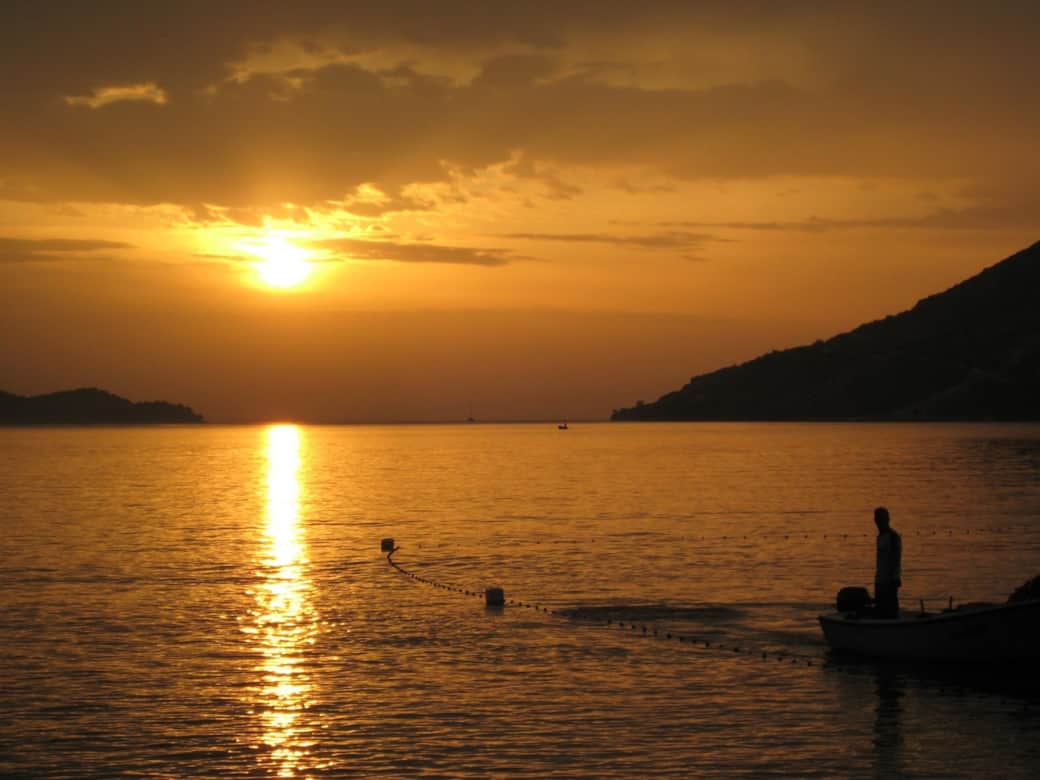
Life in Dalmatia is heavily influenced by the sea, an important factor in the local economy, weather, cuisine etc. The Adriatic sea off the coast of Croatia is known for its more than 1,000 islands (many of which are uninhabited), rocky coastlines and crystal clear water. As the clean and clear water is one of the biggest assets of the region, which relies heavily on tourism, efforts are made to preserve the environment and keep beaches clean. Check out this report of marine biologists' efforts to revive the population of the noble pen shell, which was on the verge of distinction. Still, the boom in tourism, which has been fuelled by Croatia's accession to the EU, the introduction of the euro currency and the joining of the EU's Schengen area, poses challenges for the country. Here's a recent article that's worth a read.